How Periodontal Treatment Improves More Than Just Your Gums
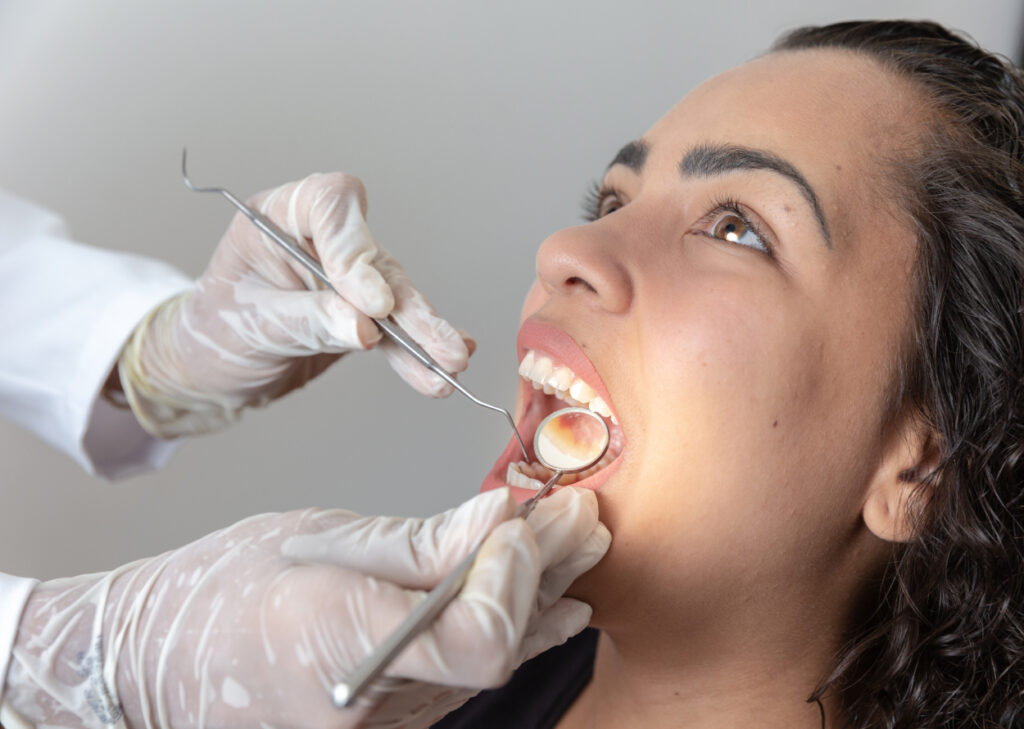
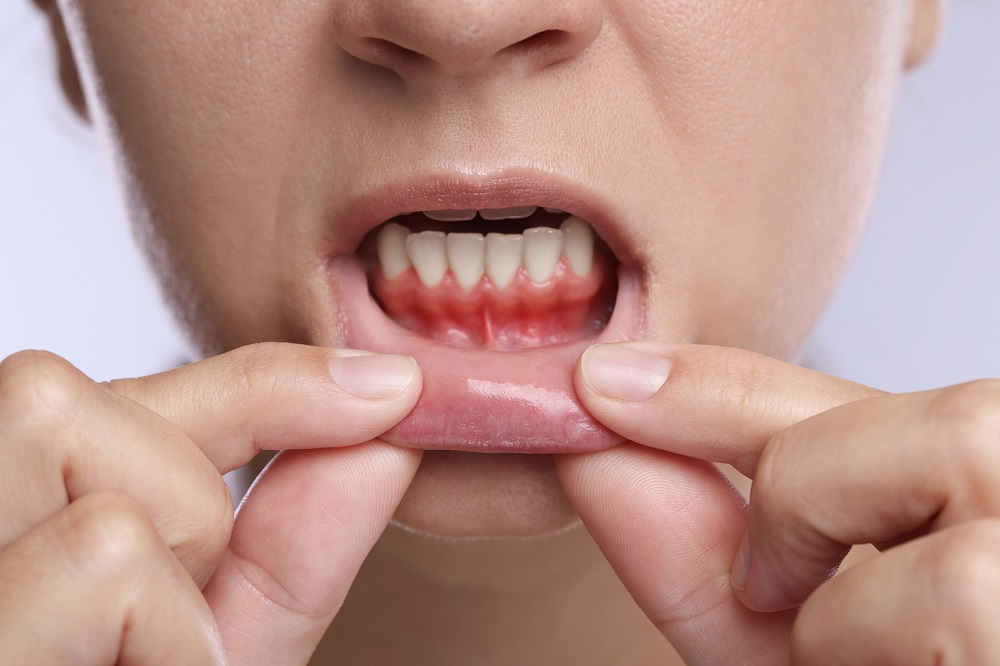
Most people come in for periodontal care because something feels wrong in the mouth. Their gums bleed when they brush. Their breath never seems fresh, no matter what they do. Food catches between teeth that used to feel stable. Sometimes there is tenderness, sometimes a bad taste, and sometimes no pain at all, just a growing sense that things are changing.
What surprises many patients is what happens after treatment begins. Yes, the gums look healthier. Yes, bleeding often settles down. But the benefits rarely stop there. Better periodontal health can change comfort, confidence, eating habits, speech, and the long-term outlook for the teeth themselves. In some cases, it can also make it easier to manage broader health concerns, especially when gum disease has been feeding inflammation for years.
That is the part of periodontal treatment that does not get enough attention. It is not just about cleaning below the gumline or treating pockets around teeth. It is about reducing a chronic source of infection and irritation in a place that affects daily life more than most people realize.
The mouth is not separate from the rest of the body
Periodontal disease is, at its core, an inflammatory condition driven by bacteria and the body’s response to them. Plaque builds up around the teeth and under the gums. If it is not disrupted thoroughly enough, it hardens into calculus and creates a rough surface that holds more bacteria. Over time, the gums become inflamed. In early stages, this may show up as gingivitis, where the gums bleed easily but the supporting bone has not yet been lost. In more advanced cases, periodontitis develops, and the structures that anchor the teeth begin to break down.
That process stays local at first, but the body does not treat it as a small event. Inflamed gum tissue can become ulcerated on a microscopic level, which gives bacteria and inflammatory byproducts easier access to the bloodstream. Dentists and periodontists have understood for a long time that the mouth can influence general health. What has become clearer over the years is how much chronic gum inflammation can burden the system.
No responsible clinician should promise that periodontal treatment will cure unrelated diseases. It does not work that way. The relationship between oral health and systemic health is complex, and it often runs in both directions. Diabetes, for example, can worsen periodontal disease, and uncontrolled periodontal disease can make blood sugar management harder. The point is not that gum treatment replaces medical care. The point is that it removes one ongoing source of inflammation and infection, which can matter more than patients expect.
A quieter mouth often means a more comfortable life
There is a practical side to this that patients feel quickly. When gums are swollen and infected, normal daily activities become subtly unpleasant. Brushing may sting. Flossing may feel like punishment. Cold drinks can trigger sensitivity, and chewing can become uneven because one side feels tender. None of that sounds dramatic on paper, but over months or years it changes behavior.
People start brushing lightly to avoid bleeding, which makes plaque control worse. They stop flossing in the areas that need it most. They chew on one side. They avoid crunchy foods, seeded bread, apples, or steak. Some even smile with their lips closed because they do not like the look of their gums or are worried about bad breath.
After effective periodontal treatment, many patients notice a kind of relief that is easy to underestimate. Their mouth feels calmer. Brushing no longer turns the sink pink. Tenderness decreases. The constant awareness of one “problem area” fades. That reduced friction matters because comfort makes good habits easier to maintain. When home care stops hurting, patients usually do it better and more consistently.
Bad breath is often a gum problem, not a hygiene failure
Persistent bad breath can be socially exhausting. It affects close conversations, work interactions, and self-confidence in ways patients do not always admit right away. Many assume it means they are not brushing enough or using the wrong mouthwash. In reality, chronic halitosis often has a periodontal component.
Bacteria associated with gum disease produce volatile sulfur compounds, which create strong odors. Deep periodontal pockets can trap debris and bacteria where a toothbrush cannot reach. If gums bleed easily, that can add another unpleasant taste and smell. A person may brush diligently several times a day and still struggle because the underlying source has not been treated.
This is one area where periodontal treatment can be genuinely life-changing. Once infected pockets are cleaned, inflammation is controlled, and the patient can keep the area cleaner at home, breath often improves noticeably. It is not always instant, especially if there are other contributors like dry mouth, tonsil stones, sinus issues, or smoking. But when periodontal disease is the driver, treatment addresses the cause rather than masking it.
I have seen patients spend years cycling through mints, mouth rinses, and expensive gadgets, only to feel real relief after they finally dealt with the gum infection itself. The change is not cosmetic. It alters how they show up around other people.
Teeth feel stronger because the support around them improves
One of the hardest truths about periodontitis is that it can progress quietly. A patient may not feel pain while bone and attachment are being lost. By the time teeth begin to shift or loosen, the disease is often well established.
Periodontal treatment cannot always reverse structural damage that has already occurred, but it can often stop or slow further destruction. That is a major benefit. Teeth do not stay healthy just because the crowns are intact. They depend on the gum tissue, periodontal ligament, and surrounding bone. When those supports are inflamed or diminished, even teeth without cavities can be at risk.
The value of treatment becomes especially clear when patients start to notice everyday stability again. Food is less likely to wedge painfully between teeth. Biting into a sandwich or chewing meat feels more even. Teeth that seemed to be drifting may stabilize once inflammation is under control. If splinting, occlusal adjustment, or restorative work is needed later, it has a better chance of succeeding in a healthier periodontal environment.
This is also where judgment matters. Some patients need relatively straightforward non-surgical care, such as scaling and root planing combined with improved home hygiene and maintenance visits. Others need surgery, regeneration procedures, extractions, or interdisciplinary care involving restorative dentists or orthodontists. Good periodontal treatment is not one-size-fits-all. It should be based on pocket depths, bone levels, mobility, anatomy, medical history, smoking status, and the patient’s ability to maintain the result.
The diabetes connection is real, and patients often feel the difference
Among the systemic links, diabetes is one of the clearest and most clinically relevant. Poorly controlled blood sugar tends to increase the severity of periodontal disease. At the same time, significant gum inflammation can make glycemic control more difficult. It is a two-way relationship, and patients living with diabetes often notice that their gums become one more variable that complicates an already demanding condition.
When periodontal infection is treated, some patients see better blood sugar stability over time, especially when treatment is paired with consistent home care and medical management. It would be careless to promise a specific A1C change because outcomes vary and depend on many factors. Still, reducing chronic oral inflammation is a meaningful step. Physicians who manage diabetes generally want every modifiable source of inflammation addressed, and the mouth should not be excluded from that conversation.
Patients with diabetes also tend to heal differently, which makes early intervention more important. Waiting until the disease is advanced usually means a longer, more complex path. When the gums are treated before severe bone loss develops, the odds of maintaining comfort and stability are much better.
Heart health enters the conversation, carefully
People often hear that gum disease is “linked” to heart disease and either dismiss it or become alarmed. The reality sits somewhere in between. Researchers have found associations between periodontal disease and cardiovascular conditions, but association is not the same as proof that one directly causes the other in every case. Many overlapping risk factors exist, including smoking, age, stress, diet, and underlying inflammatory burden.
What can be said with confidence is that untreated periodontitis contributes to chronic inflammation, and chronic inflammation is not something the cardiovascular system needs more of. Periodontal treatment lowers the bacterial load and reduces inflammatory stress in the tissues. That is a sensible goal for anyone, and especially relevant for patients who are already trying to manage vascular risk factors.
Where this matters most in practice is not in dramatic promises, but in better overall risk management. A patient who is serious about blood pressure, cholesterol, exercise, sleep, and nutrition should be just as serious about periodontal disease. It belongs in the same category of long-term health maintenance, not as an afterthought.
Eating becomes easier, and nutrition often improves with it
This is one of the most overlooked ripple effects of periodontal treatment. People with sore gums, mobile teeth, or chronic sensitivity tend to change what they eat. Not always consciously. They simply stop choosing foods that are harder to chew. Raw vegetables, nuts, fibrous fruit, lean meats, and crusty breads often disappear first. Softer, more processed foods take their place because they are easier and less risky.
Over time, that can affect nutritional quality. A mouth that hurts does not encourage healthy choices. Even patients who care deeply about nutrition sometimes adapt around dental discomfort without realizing how much they have narrowed their diet.
When periodontal treatment succeeds, patients frequently return to foods they had quietly given up. It may be something as simple as eating an apple without worry, or finally chewing on both sides again. That change seems small until you consider how often it happens, every meal, every day. Better chewing efficiency can also support digestion indirectly, since thorough mastication is the first step in processing food well.
No dentist should oversell this into claims about curing digestive problems. But practical experience shows that oral comfort influences food selection, chewing quality, and confidence while eating. Those are meaningful gains.
Speech, appearance, and self-assurance all get tied in
Gums frame the teeth. When they are inflamed, receded, or uneven due to periodontal disease, the aesthetic impact can be significant. Teeth may look longer, darker at the roots, or irregularly spaced. Black triangles can appear where the papilla no longer fills the space between teeth. In advanced disease, there may be visible shifting or flaring.
The emotional effect varies from person to person. Some patients barely notice these changes. Others think about them every time they speak https://www.showmelocal.com/profile.aspx?bid=23447913 or smile. Professionals in client-facing roles often feel this particularly strongly. So do patients returning to dating after a divorce, or anyone who has become self-conscious about breath and appearance at the same time.
Periodontal treatment may improve aesthetics directly by reducing puffiness and restoring a healthier gum contour, though there are trade-offs. Swollen gums can “hide” recession, and once inflammation resolves, exposed root surfaces may become more visible. This can concern patients if nobody prepared them for it. Clinically, the gums are healthier. Visually, the teeth may look longer. That is not treatment failure. It is the true anatomy becoming visible once diseased swelling subsides.
This is why honest communication matters. In some cases, additional procedures such as grafting, restorative reshaping, or orthodontic correction may be worth discussing after the disease is stable. The bigger point is that periodontal treatment creates the foundation for both health and appearance. Without that foundation, cosmetic work tends to be unstable or short-lived.
Pregnancy, smoking, stress, and medications can change the picture
Periodontal care rarely happens in a vacuum. The same treatment plan can play out differently depending on the patient’s broader circumstances.
Pregnancy can increase gum sensitivity and inflammation because of hormonal shifts. Good periodontal care during this time is important, especially for patients who already have gingivitis or periodontitis. Treatment decisions should be coordinated thoughtfully, but delaying all care simply because someone is pregnant is often not the best answer. Preventing worsening inflammation is usually beneficial.
Smoking remains one of the strongest negative influences on periodontal outcomes. Smokers do not always bleed much, which can hide disease severity. Healing is less predictable, and recurrence rates are higher if tobacco use continues. Periodontal treatment still helps, sometimes substantially, but expectations need to be realistic. A patient who quits smoking during treatment often sees a marked difference in gum response over the following months.
Stress adds another layer. People under sustained stress may clench, sleep poorly, skip appointments, eat differently, and let home care slide. Stress also affects immune response. The gums are often where those pressures become visible. Similarly, medications that cause dry mouth can make plaque control more difficult, while certain drugs can contribute to gum enlargement. These details do not make periodontal disease untreatable, but they do change how care should be tailored.
What periodontal treatment can actually involve
The term “Periodontal Treatment” covers a range of care, not a single procedure. The right approach depends on severity, anatomy, and patient factors. Common components may include:
- Detailed periodontal charting and radiographs to measure pocket depths, bleeding, bone levels, and tooth stability
- Non-surgical treatment such as scaling and root planing to remove deposits above and below the gumline
- Re-evaluation visits to see how the tissues respond and whether deeper areas remain active
- Periodontal maintenance at intervals shorter than routine cleanings, often every three to four months for higher-risk patients
- Surgical treatment when necessary, including flap procedures, regeneration, grafting, or selective extractions
What patients often misunderstand is that the first phase of treatment is not the end. Periodontal disease has a chronic component. Once someone has had periodontitis, they remain more vulnerable than a person who has never had it. Maintenance is not upselling. It is part of keeping the disease under control. Patients who do very well long term are usually the ones who accept this early and build it into their routine.
The home-care side matters more than people want to hear
There is no elegant way around this: professional treatment works best when the patient changes what happens at home. The exact routine varies. Some patients do well with a power brush and interdental brushes. Others need floss, rubber tips, water flossers, prescription rinses, or special aids around bridges, implants, or crowded teeth. The goal is not to create a complicated ritual. The goal is to disrupt plaque consistently in the areas that are hardest to keep clean.
The challenge is that many people have been brushing the same way for decades. Telling them to “brush better” is nearly useless. They need specific instruction, and often demonstration, on where they are missing and why those areas matter. The best periodontal teams are practical about this. They adjust the advice to fit dexterity, schedule, budget, and motivation rather than delivering a generic lecture.
A patient with arthritis may need larger-handled tools. Someone wearing aligners may need a different strategy than a patient with fixed bridges. A person who works night shifts may not keep a traditional morning-evening routine but can still achieve excellent plaque control with a pattern that fits their life.
When patients understand that home care is not about perfection, but about keeping the disease from regaining ground, they tend to engage more productively. It stops feeling like punishment and starts feeling like preserving the progress they paid for.
The benefits are often easiest to see in everyday moments
Ask patients several months after successful periodontal treatment what changed, and many do not start with clinical terms. They say their mouth feels cleaner all the time. They are not embarrassed to get close to people. They can eat salad without something hurting. Their hygienist no longer has to stop repeatedly because the gums bleed so much. Their spouse noticed their breath improved. They stopped worrying that a loose tooth was about to become an emergency.
These are not small wins. They are the lived outcomes of controlling a chronic oral disease.
There are also long-range benefits that matter just as much, even if they are less dramatic day to day. Keeping natural teeth longer usually means fewer invasive procedures later. Stabilizing the gums can improve the prognosis for crowns, bridges, implants, and orthodontic treatment. It can reduce the cycle of recurring inflammation that drains time, money, and attention year after year.
Not every case ends perfectly. Some patients have advanced disease at the start. Some lose teeth despite good efforts. Some have medical or behavioral factors that make stability difficult. But even then, periodontal treatment often improves comfort, reduces active infection, and creates better conditions for whatever comes next, whether that is maintenance, restorative care, or replacement options.
Why earlier treatment pays off
Gum disease is far easier to manage when it is identified early. Mild to moderate cases often respond well to non-surgical therapy and strong maintenance habits. Advanced periodontitis can still be treated, but the margin for error is smaller, the costs are higher, and the chances of needing surgery or losing teeth increase.
The trouble is that early periodontal disease is easy to ignore. Bleeding during brushing gets written off as normal. It is not. Persistent bad breath gets blamed on coffee. Gum recession is treated like an inevitable part of getting older, even when active inflammation is contributing to it. Teeth that feel slightly different in the bite may not seem urgent. By the time pain shows up, the disease may already be far along.
A few warning signs deserve prompt evaluation:
- Gums that bleed regularly during brushing or flossing
- Chronic bad breath or a persistent bad taste
- Gum recession, tooth sensitivity near the roots, or teeth that appear longer
- Tenderness when chewing, shifting teeth, or spaces developing between teeth
- A history of smoking, diabetes, or previous periodontal treatment with lapses in maintenance
The best outcome usually comes from treating the disease before the patient starts adapting their whole life around it.
More than healthier gums
At first glance, periodontal treatment can seem narrow in scope, as if it belongs to one corner of dentistry concerned only with tissues around the teeth. In real life, its impact spreads much further. It can lower the burden of chronic inflammation, make daily hygiene comfortable again, improve breath, protect chewing function, support medical management in conditions like diabetes, and preserve options for future dental care. It can also give patients back a level of ease and confidence they had gradually lost.
Healthy gums are not a cosmetic luxury and not a minor detail. They are part of how the mouth functions, how the body copes with inflammation, and how a person eats, speaks, and interacts with others. That is why Periodontal Treatment matters so much. Done well, it improves far more than the gums alone.
Avra Dental
Address: 1708 S Victoria Ave B, Ventura, CA 93003
Phone number: (805) 941-1001
FAQ About Periodontal Treatment
Can a dentist get rid of periodontal disease?
A dentist or gum specialist (periodontist) cannot fully cure or reverse advanced periodontal disease (periodontitis), but they can successfully stop its progression and manage the infection.
Is periodontitis very serious?
Yes, periodontitis is a very serious, advanced form of gum disease that destroys the bone and tissues supporting your teeth.
How is stage 2 periodontal disease treated?
Stage 2 periodontal disease (early to moderate periodontitis) is primarily treated with non-surgical deep cleaning procedures like scaling and root planing to remove bacteria and tartar below the gumline.